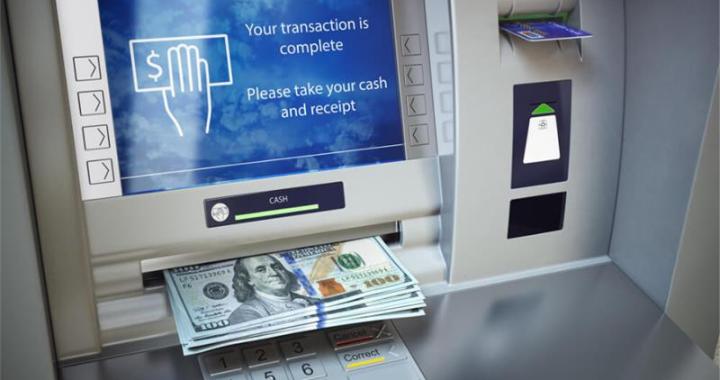
For decades, Automated Teller Machines (ATMs) have been a cornerstone of modern banking. Initially introduced as convenient cash dispensers, their role in the financial world has expanded dramatically. Today, ATMs are no longer defined only by their ability to provide quick cash withdrawals. They are becoming digital financial hubs equipped with advanced technology, offering services that were once exclusive to in-branch banking.
By 2025, the global ATM industry is expected to be shaped by a mix of consumer expectations, security needs, and digital integration. With trends such as biometric authentication, mobile banking app connectivity, and predictive monitoring systems, ATMs are aligning more closely with the digital lifestyles of consumers.
This guide explores the historical context, current advancements, and future directions of ATMs in the digital age. It also highlights how these changes affect both consumers and businesses relying on ATM services, while emphasizing the importance of professional ATM Placement Services in ensuring accessibility and customer convenience.
From Cash Dispensers to Financial Hubs
Historical Development
When ATMs first appeared in the late 1960s, their primary purpose was to dispense cash outside of bank hours. This convenience set the stage for a broader transformation in personal finance. Over the decades, ATMs expanded their capabilities to include:
- Account balance inquiries
- Transfers between linked accounts
- Bill payments in selected regions
- Check deposits through imaging technology
- Currency exchange for international travelers
These gradual advancements transformed ATMs into multifunctional service points, reducing the need for physical bank visits.
Rise of Smart ATMs
In recent years, “smart ATMs” have emerged, offering services that go far beyond traditional banking. Many now include features like remote video assistance, touch-screen interfaces, and enhanced customer interaction tools. In some regions, smart ATMs even provide micro-loans, prepaid mobile top-ups, and government disbursement services.
This shift reflects a larger trend: ATMs are not just cash machines but mini financial centers, enabling customers to access services any time of day.
Technology Driving Change
The integration of digital innovations has fueled ATM evolution. As banks compete in a mobile-first world, they are using ATMs as complementary touchpoints for digital services.
Biometric Authentication
Passwords and PINs are becoming outdated as cybercrime grows more sophisticated. Biometric authentication is stepping in as a stronger solution. ATMs equipped with fingerprint scanners, facial recognition, or iris scanners improve both security and user experience.
Biometric ATMs provide two primary advantages:
- They reduce the likelihood of fraud by replacing easily stolen or hacked credentials with physical identifiers.
- They make the process quicker, eliminating the need to remember and input codes.
As consumers grow accustomed to biometrics on smartphones, adoption at ATMs feels like a natural progression.
Mobile App Connectivity
Mobile banking and ATM services are merging. Many banks now allow customers to pre-schedule withdrawals or deposits through mobile apps. At the ATM, users simply scan a QR code or use NFC-enabled devices like smartphones or smartwatches to complete the transaction.
This connection provides several benefits:
- Reduces reliance on physical debit cards
- Speeds up transactions
- Provides a contactless option, especially valued after the global health crisis
Real-Time Data Monitoring
Another significant change is how operators manage ATMs. Real-time monitoring tools provide constant updates about machine status, cash levels, and security alerts. Instead of reacting to problems after they occur, banks can proactively prevent downtime.
Predictive analytics, powered by artificial intelligence, forecast demand patterns to ensure cash is replenished before shortages happen. This reduces customer frustration and maximizes uptime.
Enhanced Security in Modern ATMs

Security has always been central to ATM operations. With the rise of cybercrime and advanced fraud attempts, ATMs must adopt next-generation defenses.
Encryption Protocols
End-to-end encryption ensures that sensitive customer data, such as account numbers or PINs, cannot be intercepted during transactions. Tokenization replaces real credentials with unique identifiers, offering another shield against theft.
Remote Disabling Features
Modern ATMs allow operators to remotely disable machines if tampering or suspicious activity is detected. For example, if a card skimming device is installed, the ATM can immediately shut down while alerting security teams. This minimizes potential loss and enhances public trust.
Physical Security Enhancements
While digital threats grow, physical risks remain. Many ATMs now come with anti-skimming technology, reinforced locks, and surveillance integration to deter theft attempts.
Consumer Expectations and Behaviors
ATMs are evolving not only due to technological advancements but also because of shifting consumer behavior.
Convenience and Speed
Today’s consumers expect frictionless banking. That means ATMs must mirror the simplicity of mobile apps, with:
- Touchscreen interfaces instead of outdated keypads
- Multi-language support for diverse communities
- Streamlined menus that minimize transaction steps
24/7 Access
Consumers increasingly view ATMs as extensions of their bank that should be available at all times. High uptime is critical, not only for customer satisfaction but also for maintaining the reputation of the hosting business.
Digital Lifestyle Integration
Consumers want seamless transitions between digital banking and physical ATM use. Whether depositing a check via mobile capture and withdrawing the funds later at an ATM or starting a transaction in an app and completing it in person, the demand for integrated banking journeys is growing.
The Business Perspective
For businesses and ATM operators, the digital transformation of ATMs offers opportunities and challenges.
- Revenue Generation: More services mean increased transaction fees and customer engagement.
- Operational Efficiency: Predictive monitoring lowers maintenance costs.
- Customer Retention: Enhanced convenience strengthens customer loyalty.
However, the cost of upgrading fleets with biometric systems and mobile connectivity tools requires careful investment planning. Businesses that embrace modernization early gain a competitive advantage, while those that delay risk falling behind.
How Providers Are Adapting
Forward-looking providers are already investing in technologies that align with these trends. Many fleets are being updated to support biometric verification, contactless mobile transactions, and encrypted data exchange.
Providers also emphasize speed of response, with technical teams monitoring systems 24/7 to reduce downtime. Integration with mobile banking platforms is becoming standard, ensuring users can manage accounts seamlessly across physical and digital touchpoints.
Looking ahead, innovations like blockchain integration for digital currencies or AI-powered fraud detection may become standard features. The ATM of the future will likely act as both a secure service hub and a bridge between traditional banking and digital finance.
Conclusion
The evolution of ATMs reflects the broader shift in the financial sector toward digitization, convenience, and security. From their origins as simple cash machines, ATMs have transformed into smart financial hubs capable of delivering a wide array of services.
As biometric authentication, mobile integration, predictive monitoring, and enhanced security protocols take hold, ATMs are meeting the dual demands of customer convenience and business reliability.
For consumers, this evolution promises faster, safer, and more flexible access to financial services. For businesses and operators, it provides an opportunity to strengthen trust, increase usage, and align with the digital lifestyles of today’s clients.
The future of ATMs is not in becoming obsolete but in adapting. By 2025 and beyond, they will stand as powerful examples of how technology can enhance both accessibility and security in financial services. Boost customer convenience—reach out to Mile High ATM for expert ATM services.
Frequently Asked Questions:
Biometric authentication, mobile app connectivity, predictive analytics, and stronger encryption are leading trends.
They replace PINs and cards with unique identifiers like fingerprints or facial recognition, reducing fraud and speeding up transactions.
Yes. Many ATMs now allow cardless transactions through QR codes, NFC-enabled devices, or mobile app integration.
It prevents downtime, optimizes cash replenishment, and detects fraud attempts quickly, ensuring smooth operation.
Future ATMs may include blockchain integration, AI-powered fraud detection, and expanded contactless capabilities.