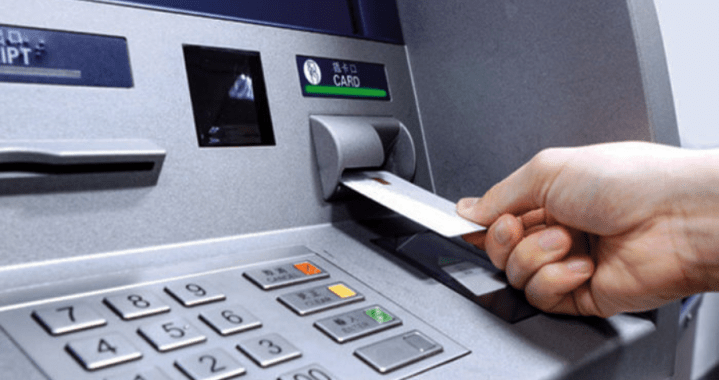
Buy an ATM decisions are becoming more common among entrepreneurs who want to improve how customers access cash within their business environment. While digital payments are widely used, cash still plays a steady role in everyday transactions. Because of this, businesses that provide easy cash access often create a more seamless customer experience.
For many entrepreneurs, the idea of owning an ATM goes beyond convenience. It connects directly to how efficiently transactions are handled and how customers interact with the space. During the research process, it is common to come across solutions from providers like Mile High ATM, especially when exploring options that align with business operations.
At the same time, understanding atm sales and the process of atm machine purchase helps business owners make informed decisions. This guide focuses on practical insights so you can evaluate whether ownership fits your long-term goals.
Why Businesses Consider ATM Ownership
Owning an ATM is often linked to improving customer flow and reducing interruptions during transactions. When customers have access to cash within the same location, they are less likely to leave and more likely to complete their purchases.
In many business settings, this convenience plays a subtle but important role. For example, retail environments, hospitality venues, and entertainment spaces often experience smoother operations when cash is readily available. As a result, ATM ownership becomes part of a broader strategy to improve customer experience.
Another important factor is consistency. Unlike temporary solutions, owning an ATM allows businesses to maintain a stable setup that aligns with daily operations. Over time, this consistency can make it easier to manage customer expectations and operational planning.
Understanding ATM Sales and Machine Purchase
ATM sales involve more than simply acquiring a machine. It is a process that includes selecting the right equipment, planning installation, and understanding how the machine will function within your business. For entrepreneurs, this step requires careful thought rather than quick decisions.
When considering atm machine purchase, it is helpful to look at how the ATM will integrate into your space. This includes physical placement, accessibility, and how customers will interact with it. A well-placed ATM can feel like a natural extension of the business rather than an added feature.
In many cases, working with an experienced atm provider helps simplify the process. While ownership brings responsibility, proper guidance ensures that setup and operation remain manageable. As a result, business owners can focus more on their core activities.
The Role of ATMs in Customer Experience
Customer experience is often shaped by small conveniences. One of those conveniences is access to cash when needed. Even in a digital-first environment, there are situations where cash is preferred, especially for quick or low-value transactions.
Businesses that recognize this behavior often see benefits from having an ATM on-site. Customers can complete transactions without delays, which improves overall satisfaction. In addition, the presence of an ATM can make a location more functional for everyday needs.
This is one reason why many entrepreneurs explore atm sales as part of their long-term planning. Instead of relying on external options, they create a self-contained experience that supports both customers and operations.
Key Considerations Before You Buy an ATM
Before moving forward, it is important to evaluate how ATM ownership fits into your business model. This involves understanding your customers, your location, and your ability to manage the machine over time.
Customer Behavior and Payment Preferences
Every business serves a unique audience. Some customers rely heavily on cash, while others prefer digital payments. Observing how your customers behave can provide valuable insight into whether an ATM is necessary.
If cash usage is consistent, owning an ATM may support smoother transactions. On the other hand, if cash demand is limited, it may not play a central role in your operations. Therefore, aligning the decision with actual customer behavior is essential.
Location and Accessibility
The placement of an ATM can influence how often it is used. High-traffic areas typically see more consistent engagement, which makes ownership more practical. However, even within a single location, placement matters.
An ATM should be easy to find and simple to access. When it blends naturally into the environment, customers are more likely to use it without hesitation. This small detail can make a noticeable difference over time.
Operational Responsibility
Ownership comes with responsibility. Business owners must ensure that the ATM remains functional and accessible. This includes monitoring performance and addressing any issues that may arise.
For those exploring options like buy an ATM, it is useful to understand how atm machine purchase fits into daily operations. When managed properly, it becomes a stable part of the business rather than a burden.
The Setup Process After Buying an ATM
Once the decision is made, the setup process becomes the next step. While it may seem technical, it can be handled smoothly with proper planning and support.
Installation and Placement
The first stage involves installing the machine in a suitable location. This includes selecting a spot that is visible, accessible, and convenient for customers. Proper placement ensures that the ATM becomes part of the natural flow of the business.
System Configuration
After installation, the machine needs to be configured. This step ensures that it operates correctly and meets basic requirements. Although the process involves technical elements, it is usually guided by the provider.
In many cases, business owners who review options like buy an ATM also consider how setup services support long-term usability without adding unnecessary complexity.
Testing and Activation
Before the ATM becomes fully operational, it goes through a testing phase. This step ensures that everything is functioning as expected. Once testing is complete, the machine is ready for customer use.
This structured approach helps create a smooth transition from purchase to operation.
Real-World Scenario: Event Payment Challenges
Consider a situation where a business hosts a large event or operates in a high-traffic environment. Customers may need quick access to cash, especially when digital options are not always convenient.
Without an ATM, customers may leave the location to withdraw cash, which can interrupt the flow of activity. However, with an on-site ATM, transactions continue smoothly, and the overall experience improves.
This example highlights how ATM ownership can support both customers and operations in practical ways.
Balancing Long-Term Value and Flexibility
One of the key differences between ownership and other options is the level of commitment. Owning an ATM requires a long-term perspective, while other solutions may offer more flexibility.
For businesses with stable operations, ownership often aligns well with long-term goals. It provides consistency and allows for better integration into daily workflows. However, it is important to ensure that this commitment matches the business environment.
In contrast, businesses with changing needs may prefer more flexible solutions. Therefore, the decision should always reflect how the ATM will be used over time.
Making an Informed Decision
Choosing to own an ATM is not just a financial decision. It is also an operational one. Business owners must consider how the machine will function within their space and how it will support customer needs.
Taking the time to evaluate all aspects helps create a clearer picture. Instead of focusing on short-term convenience, it allows entrepreneurs to think about long-term impact.
Conclusion
ATM ownership offers a practical way to enhance customer convenience while maintaining control over operations. For many entrepreneurs, it becomes part of a larger strategy to improve efficiency and create a better customer experience.
While the decision requires careful thought, understanding the process makes it easier to evaluate. From atm sales to setup and daily use, each step plays a role in how the ATM supports the business.
If you are considering your next step or need more clarity, you can always reach out through the contact us page.
FAQs
What should I consider before buying an ATM?
You should evaluate customer behavior, location, and operational capacity. Understanding how often customers use cash will help determine if an ATM is necessary. It is also important to consider how the machine will fit into your daily operations.
Is ATM ownership suitable for small businesses?
Yes, it can be, especially if there is consistent customer demand for cash. However, small businesses should ensure they can manage the responsibilities that come with ownership before making a decision.
How doesatmmachine purchase work?
The process involves selecting the right machine, installing it in your location, and configuring it for use. After setup and testing, the ATM becomes operational and available for customers.
What role does anatmprovider play?
An atm provider can assist with setup, guidance, and technical support. This helps simplify the process and ensures that the ATM operates efficiently within your business environment.
Can owning an ATM improve customer experience?
Yes, it can. Providing easy access to cash reduces interruptions and makes transactions smoother. Over time, this can contribute to a more convenient and reliable customer experience.