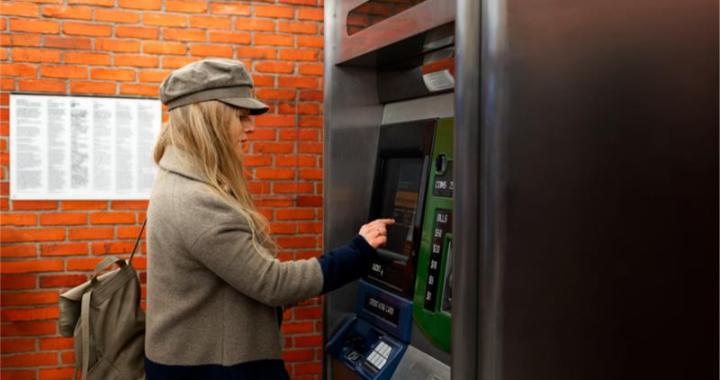
Automated Teller Machines (ATMs) have become essential tools for businesses to provide convenient cash access to customers. However, with convenience comes risk—ATM fraud and security breaches are real threats that can affect both businesses and their patrons. Implementing robust security measures is crucial to protect your ATM, deter criminal activity, and ensure smooth operations.
In this article, we’ll explore key strategies for ATM fraud prevention, including secure placement, advanced ATM surveillance systems, tampering detection, and cybersecurity measures. For trusted ATM services and solutions, visit Mile High ATM, a leading provider of high-quality ATM solutions in Colorado.
The Importance of ATM Security
ATMs are targets for various types of crimes, including card skimming, cash theft, and cyberattacks. Without proper safeguards, businesses risk financial losses, reputational damage, and customer distrust. Implementing security measures not only protects your ATM but also builds confidence among patrons.
ATM Fraud Prevention
ATM fraud prevention is the first line of defense against criminals. Some of the most common methods of ATM fraud include:
- Card skimming – Criminals attach devices to capture card data and PIN numbers.
- Cash trapping – Devices installed to block cash withdrawals, allowing thieves to retrieve money later.
- Shoulder surfing – Observing customers entering their PIN.
Best Practices:
- Use anti-skimming devices on card slots.
- Regularly inspect your ATM for suspicious attachments.
- Educate customers about shielding their PINs.
- Employ frequent monitoring to detect irregular activity.
Businesses can find more on secure ATM placement and fraud prevention by exploring ATM Placement Programs offered by experienced providers.
Secure ATM Placement
One of the most overlooked aspects of ATM security is secure ATM placement. Where you place your ATM can significantly reduce the risk of tampering or theft.
Key Placement Strategies:
- Well-lit areas – Place ATMs in areas with sufficient lighting to deter criminals.
- High-traffic locations – Busy locations increase the likelihood of witnesses and reduce risk.
- Indoor placement – Indoor ATMs are safer than those exposed to the street.
- Visible positioning – Ensure that security cameras have a clear line of sight.
A well-thought-out placement strategy not only enhances security but can also boost ATM usage, as highlighted in strategic ATM placement insights.
ATM Surveillance Systems
Advanced ATM surveillance systems are essential for monitoring activity and deterring criminal behavior. These systems include:
- High-definition cameras – Capture clear images of anyone interacting with the ATM.
- Motion sensors – Trigger alerts when unusual movement is detected.
- Remote monitoring – Allows real-time supervision from a centralized location.
Surveillance systems not only record evidence for investigations but also act as a visible deterrent to potential criminals. Integrating surveillance with alarms ensures a rapid response to tampering or theft attempts.
ATM Tampering Detection
ATM tampering detection technologies are crucial to identifying and preventing physical attacks on machines. These measures help prevent cash theft and card skimming attempts.
Key Detection Methods:
- Anti-skimming devices – Protect card readers from data theft.
- Internal sensors – Detect unauthorized access to the ATM’s internal components.
- Alarm systems – Notify authorities immediately when tampering is detected.
By combining physical safeguards with tampering detection, businesses can drastically reduce the risk of ATM-related crimes.
ATM Cybersecurity
In addition to physical threats, ATMs face digital threats, making ATM cybersecurity a top priority. Modern ATMs are networked devices, often connected to banks and payment networks, making them vulnerable to malware, hacking, and unauthorized remote access.
Cybersecurity Measures:
- Regular software updates to patch vulnerabilities.
- Encryption of cardholder data and transactions.
- Firewalls and intrusion detection systems.
- Multi-factor authentication for maintenance personnel.
Strong cybersecurity practices complement physical security, creating a comprehensive defense against both digital and physical threats. Learn more about wireless ATM service solutions and secure management in About Us page.
Employee Training
Even the best security technologies are ineffective without proper employee training. Staff should be familiar with:
- Monitoring for unusual activity around ATMs.
- Recognizing tampering attempts and suspicious devices.
- Following proper cash replenishment and maintenance procedures.
- Educating customers on safe ATM usage.
Training ensures that human oversight complements automated security systems, forming a holistic security approach.
Regular Maintenance and Inspections
Routine maintenance is essential for ATM fraud prevention and long-term security. Scheduled inspections allow you to:
- Identify tampering or skimming devices.
- Test alarm systems and cameras.
- Ensure software is up to date.
- Replace worn components to prevent malfunctions.
A proactive approach to maintenance prevents vulnerabilities from being exploited by criminals.
Customer Awareness
Educating your customers about ATM security is another critical layer of protection. Simple tips include:
- Covering PIN entry when using the ATM.
- Reporting unusual devices or attachments on ATMs.
- Avoiding transactions in poorly lit or isolated areas.
Customer vigilance works hand-in-hand with security systems to reduce fraud risks.
Leveraging Technology for Enhanced Security
Modern ATMs are increasingly equipped with technologies designed to enhance security:
- Biometric authentication – Fingerprint or facial recognition adds an extra layer of security.
- EMV chip readers – Reduce card fraud compared to magnetic stripe cards.
- Cash recycling modules – Limit exposure of cash in the ATM, reducing theft risk.
Investing in updated technology ensures your ATM stays ahead of evolving threats.
Partnering with a Trusted ATM Provider
Choosing the right ATM provider ensures your security strategy is comprehensive. A reliable partner can assist with:
- Secure placement and site selection.
- Maintenance and tampering detection solutions.
- Advanced surveillance system integration.
- ATM cybersecurity measures and compliance.
For businesses in Denver and surrounding areas, you can get professional guidance and support through Contact page.
Conclusion
Protecting your ATM requires a combination of physical security, tampering detection, surveillance, and cybersecurity. By implementing measures such as:
- Secure ATM placement
- Advanced ATM surveillance systems
- Regular maintenance and inspections
- Employee training and customer education
- Cutting-edge cybersecurity
Businesses can significantly reduce risks associated with ATM fraud and theft. Proactive protection not only safeguards assets but also builds customer trust and ensures operational continuity.
For businesses looking to maximize security and efficiency, partnering with a trusted provider like Mile High ATM ensures access to expert guidance, advanced technology, and ongoing support.
Frequently Asked Questions
ATM fraud prevention involves measures like anti-skimming devices, secure placement, and surveillance to protect both businesses and customers from theft and financial loss.
ATM surveillance systems include high-definition cameras, motion sensors, and remote monitoring. They deter criminal activity, provide evidence in case of theft, and ensure real-time monitoring of ATM transactions.
Secure ATM placement involves situating machines in well-lit, high-traffic, and visible locations, preferably indoors, to reduce the risk of tampering, theft, and fraud.
ATM tampering detection uses sensors, alarms, and anti-skimming devices to identify unauthorized attempts to access cash or card information, alerting authorities promptly.
ATM cybersecurity protects networked machines from malware, hacking, and unauthorized access. Implementing encryption, software updates, firewalls, and secure access protocols ensures safe electronic transactions.